
Finding the perfect neighborhood to inspire your next interior style

5 min

The best thing about this
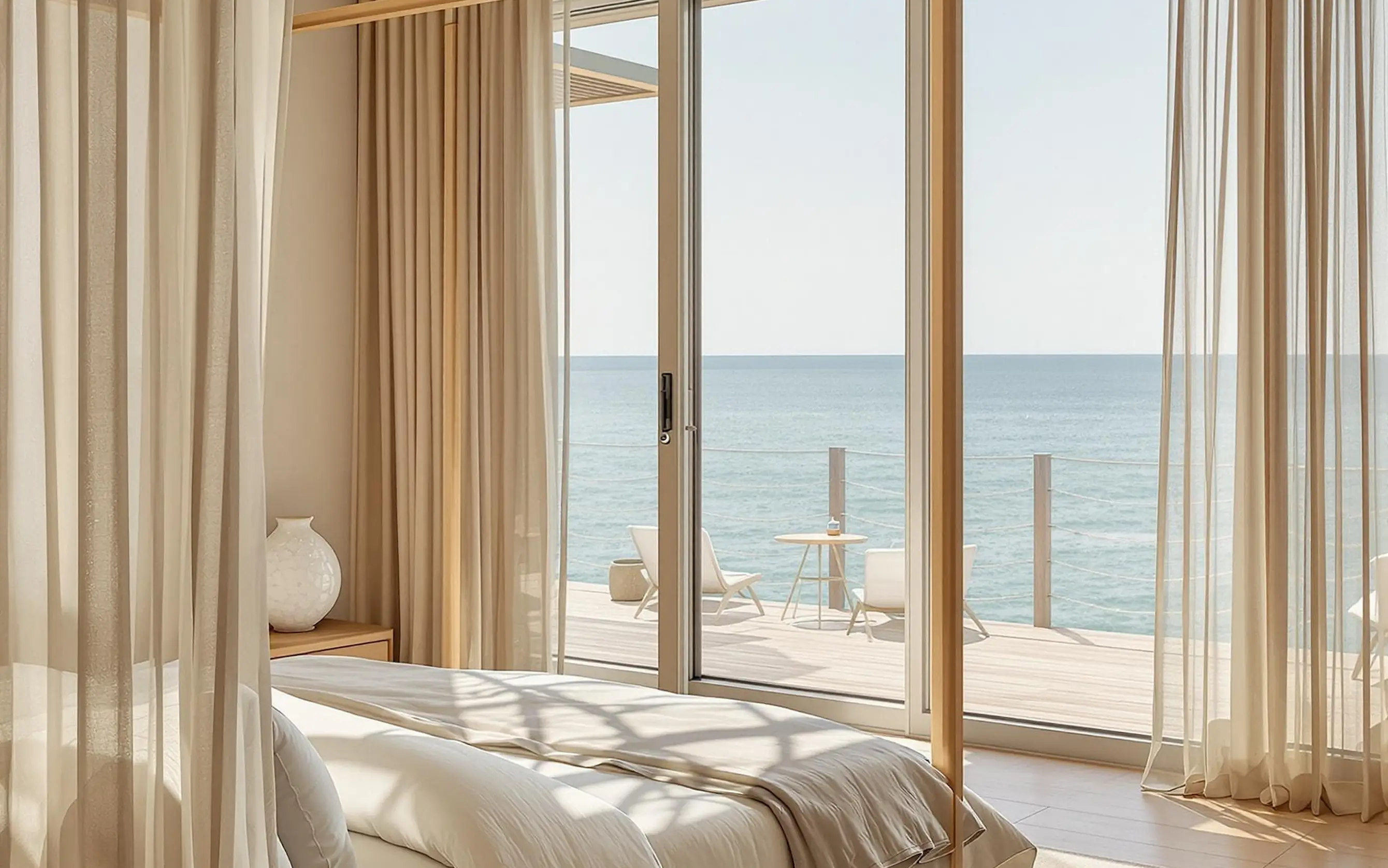
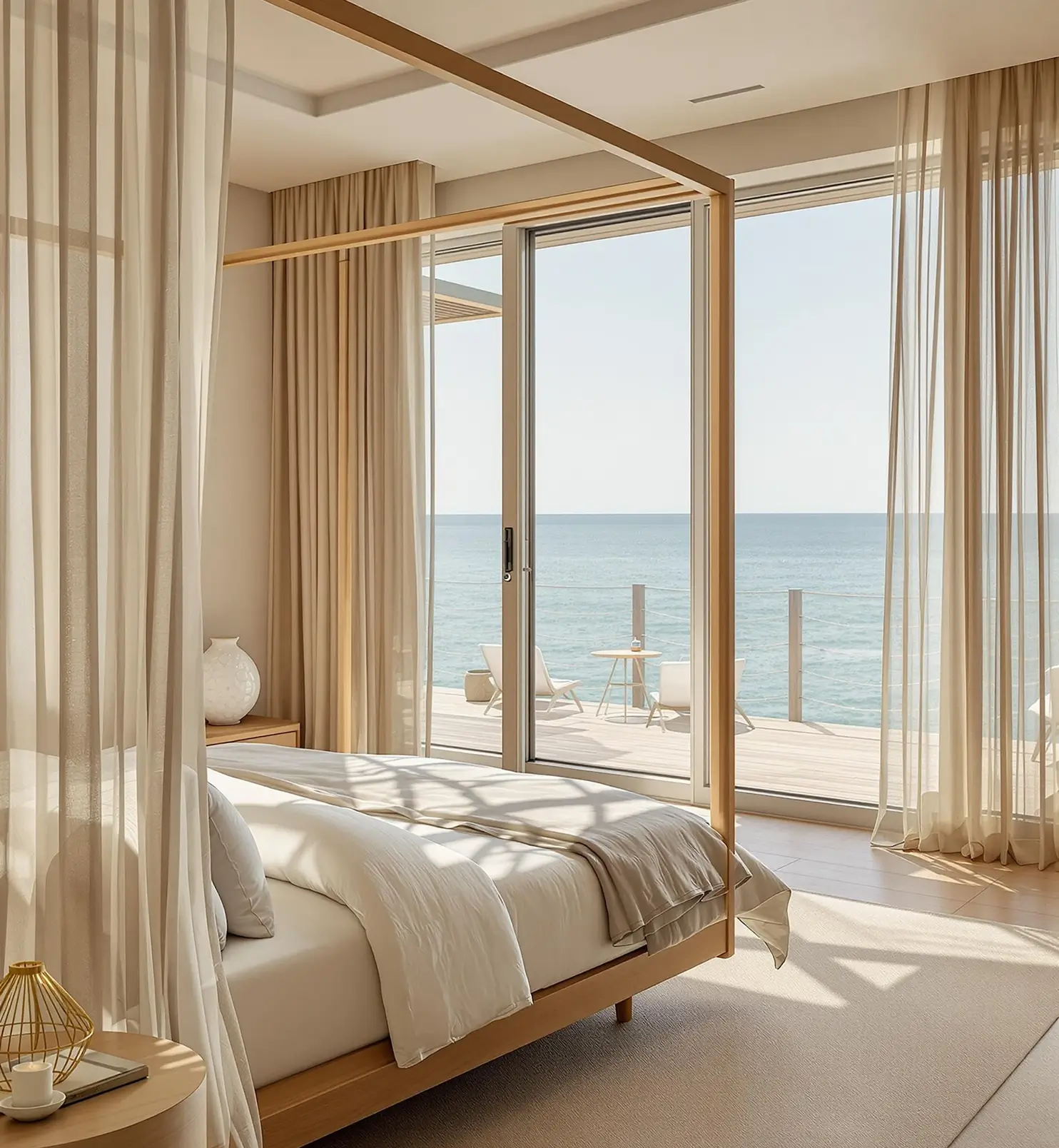
Interiors that feel settled almost always borrow something from outside the window. A brick terrace pushes a warm, mid-toned palette; a white rendered street can carry much cooler greys without going cold. Choosing a palette that fights the view is the fastest way to make a room feel like a stage set.
Creating Lasting Value
Ceiling heights, window head heights and the rhythm of the facade are decided by the era of the street. Working with them costs nothing; working against them means every piece of furniture has to compensate. Tall Victorian rooms want vertical emphasis and generous skirtings, not the low horizontal furniture that suits a post-war house.
Designed for Your Lifestyle and Chances
A coastal street wants materials that tolerate salt and low light. An inland town with hard water wants surfaces that forgive limescale. These are not style decisions at all, but they quietly determine which style will still look good in five years and which will need replacing.
Built Around Lifestyle and Opportunity
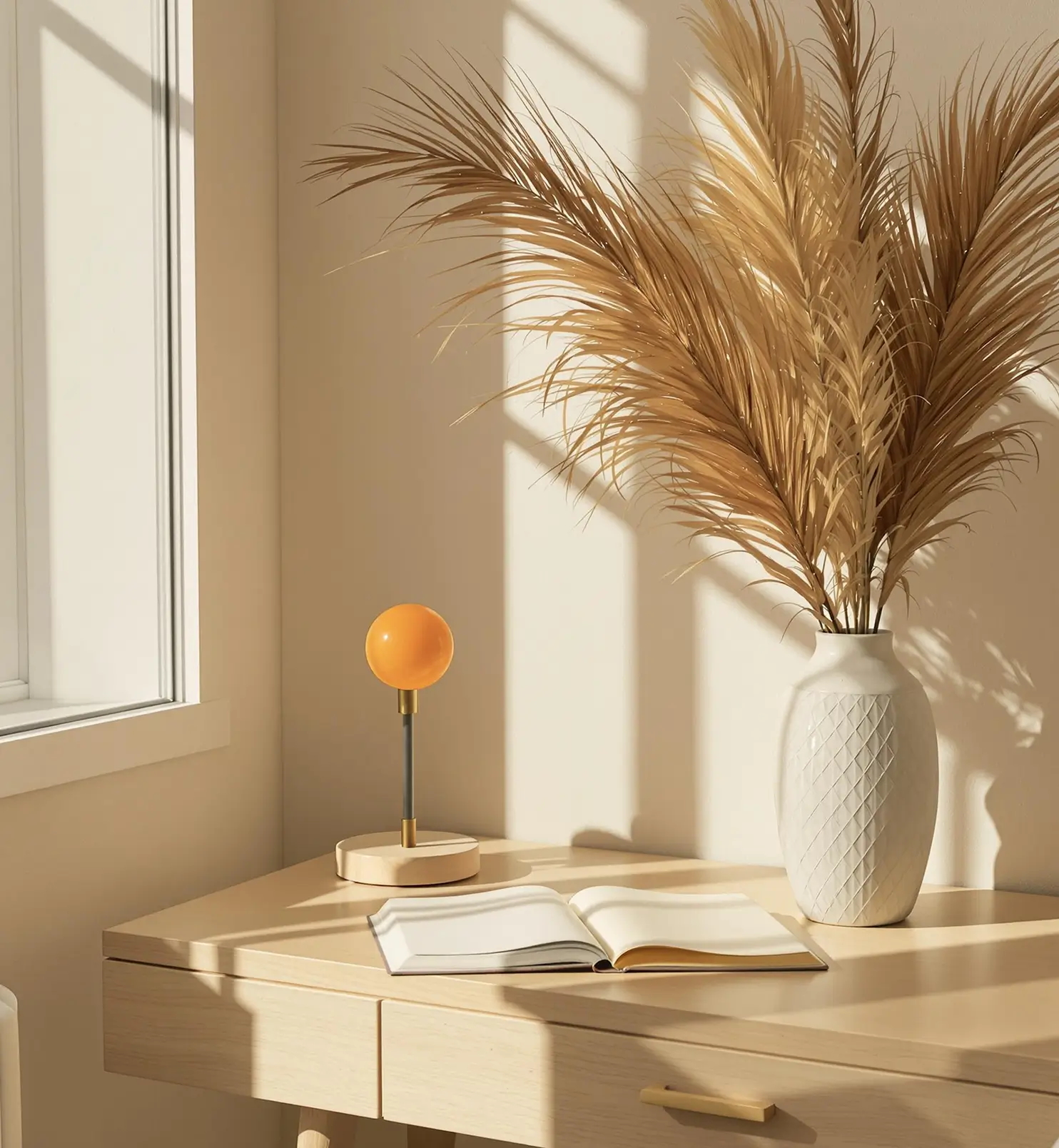
The trick is restraint. Take one cue from the context — a brick tone, a window proportion, a local stone — and let the rest of the interior be your own. Copying the street wholesale produces pastiche; ignoring it completely produces a room that never quite lands.
Project Summary
There is a simple way to test it. Photograph the view from each main window, print it, and lay your material samples on the photograph. If the palette holds against the real context, it will hold in the finished room.
Blogs


