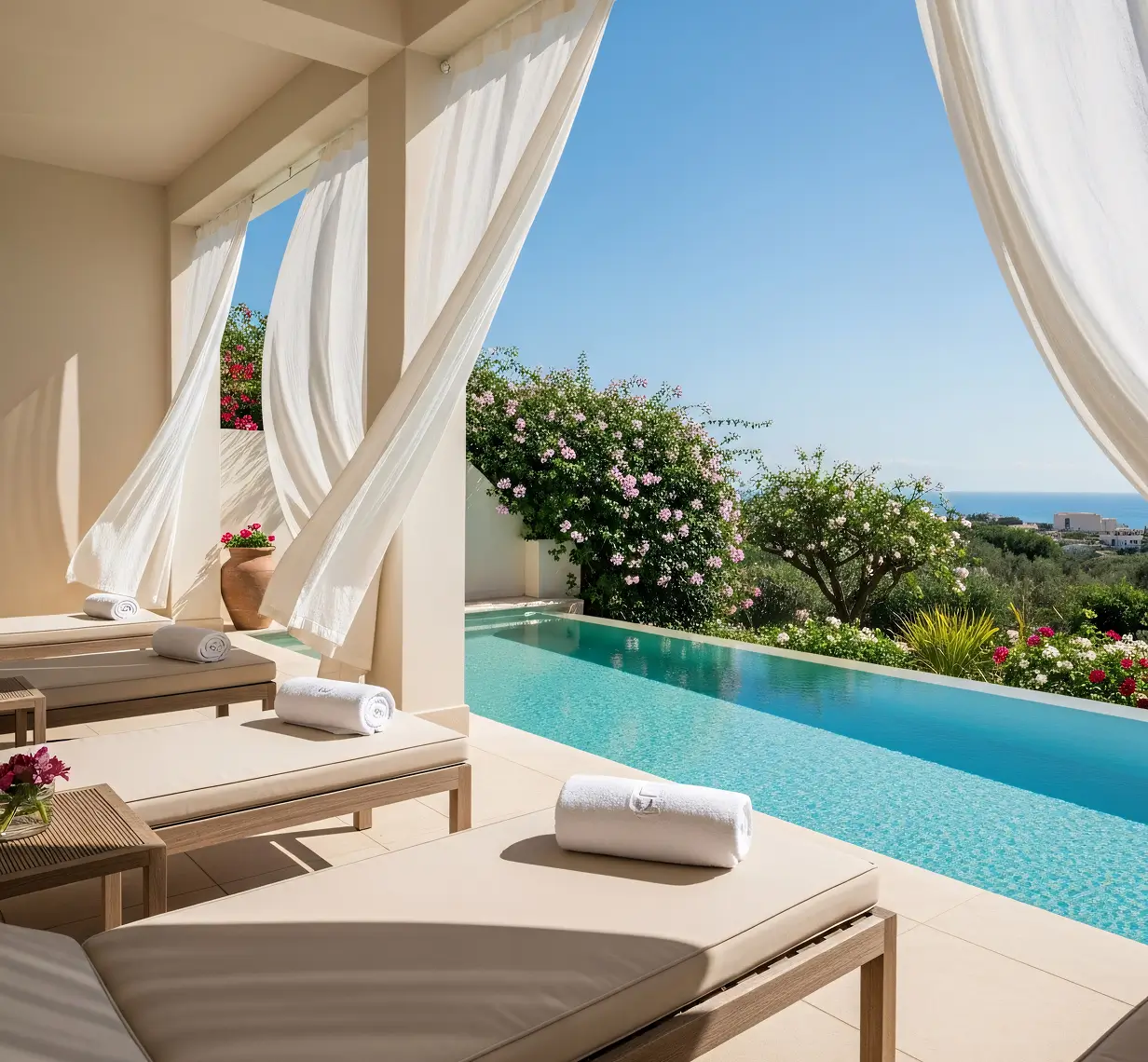
Designing homes that age gracefully alongside their families

8 min

The best thing about this
A house that ages well is one where the plan can absorb a new life stage without construction. That usually means one room more than you strictly need, doors positioned so a space can be closed off, and a ground floor that could take a bed. None of it is visible on day one, and all of it is decided on day one.
Creating Lasting Value
Structure, services and openings deserve the early money. Anything buried is expensive to change later, so we oversize service routes, run conduit to places we might need power in fifteen years, and put lintels over openings we have not yet cut. Finishes are the cheap part to revisit and the easy part to defer.
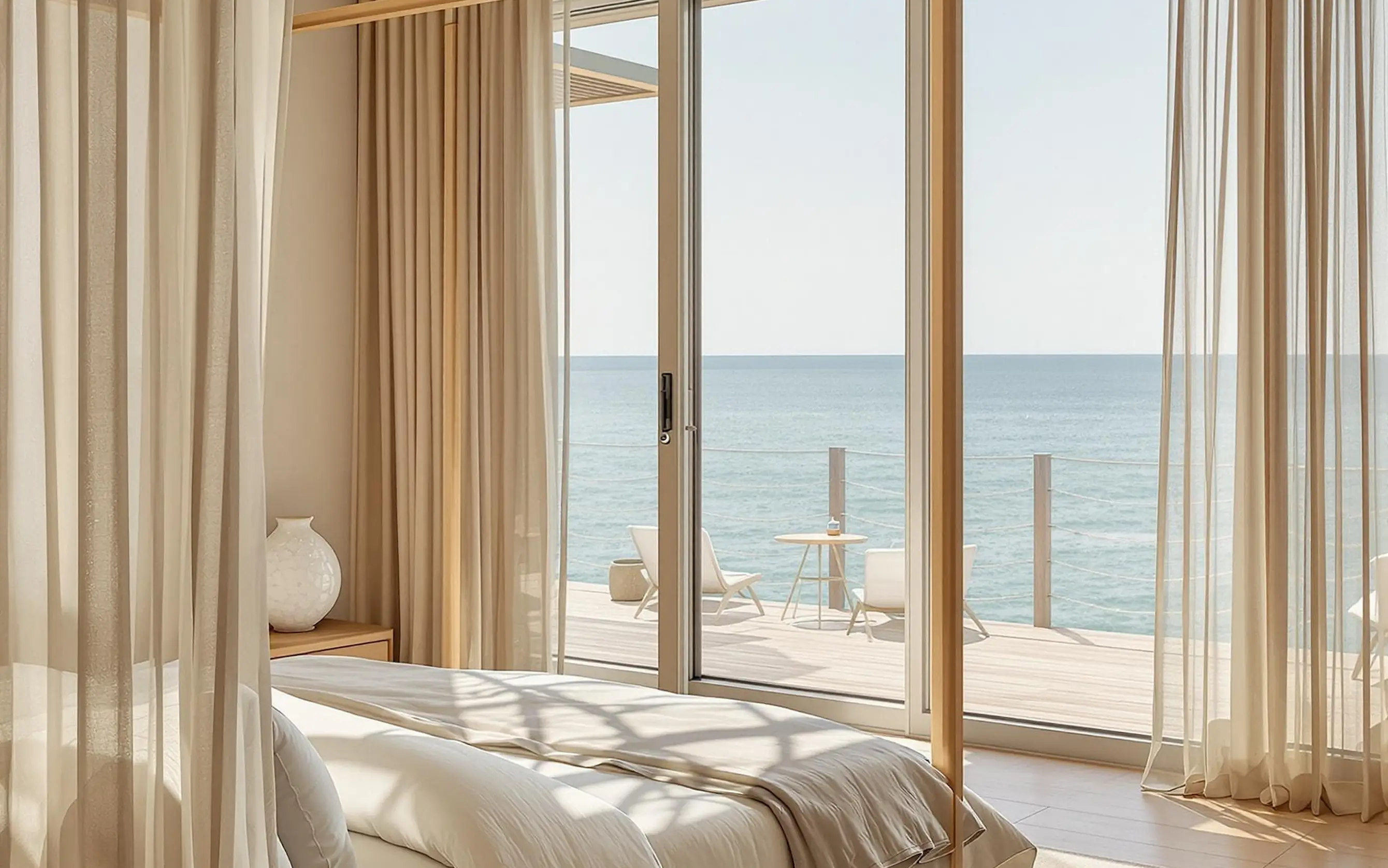
Designed for Your Lifestyle and Chances
Level thresholds, a shower that can lose its tray, a stair wide enough for two people side by side, and a downstairs cloakroom that could become a shower room. Each costs almost nothing at design stage and is close to impossible to retrofit gracefully once the house is finished.
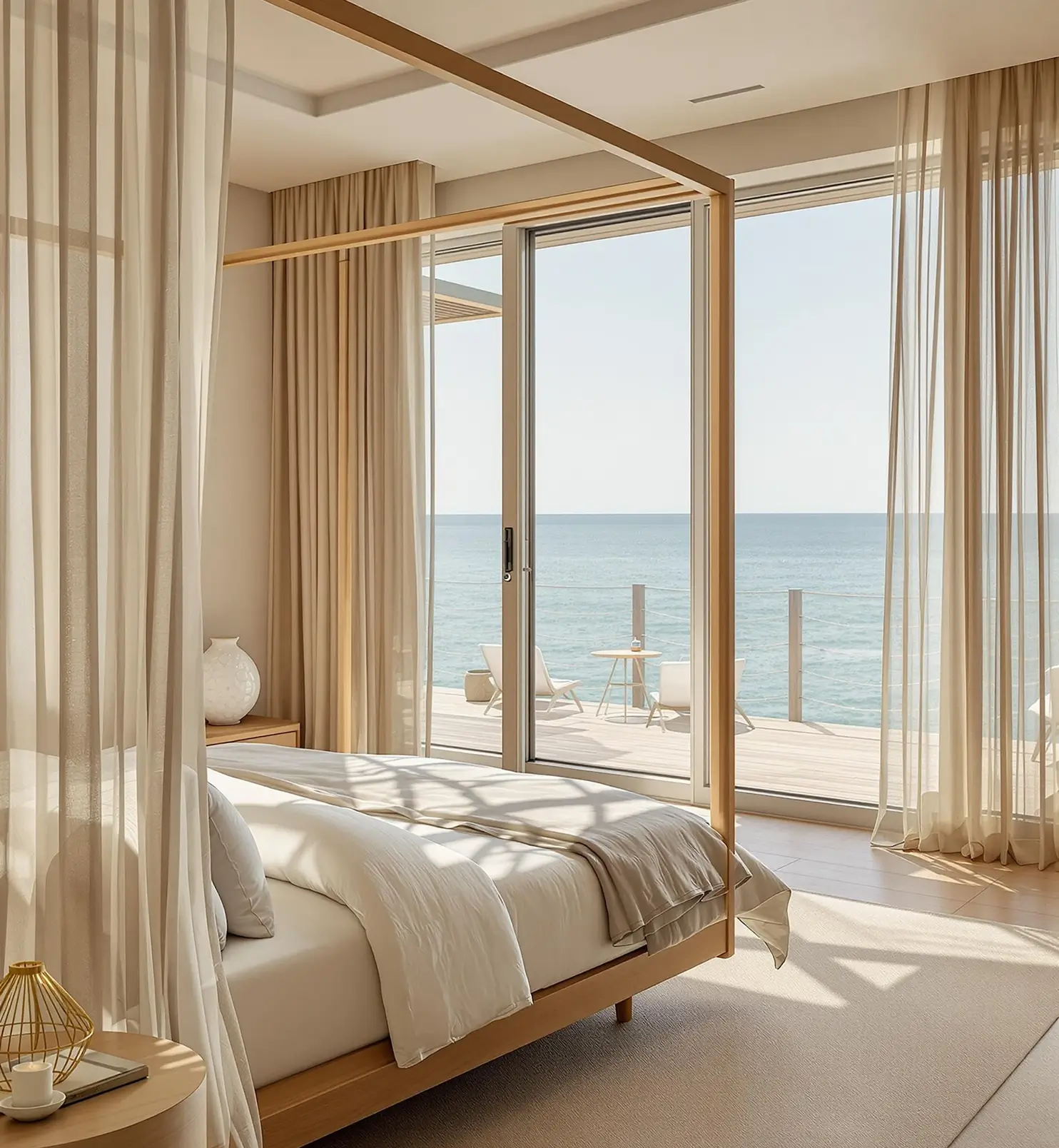
Built Around Lifestyle and Opportunity
Materials should improve rather than degrade. Oiled timber, solid stone, lime plaster and unlacquered brass all look better after ten years of use than after ten days. The alternative — laminate, lacquer, painted MDF — is at its best on the day it is installed and declines steadily from there.
Project Summary
The test we apply is simple. Could this house absorb a new baby, a teenager, a home office and an elderly parent without calling a builder? If the answer is yes for at least three of the four, the plan will comfortably outlast its first owners.
Blogs


